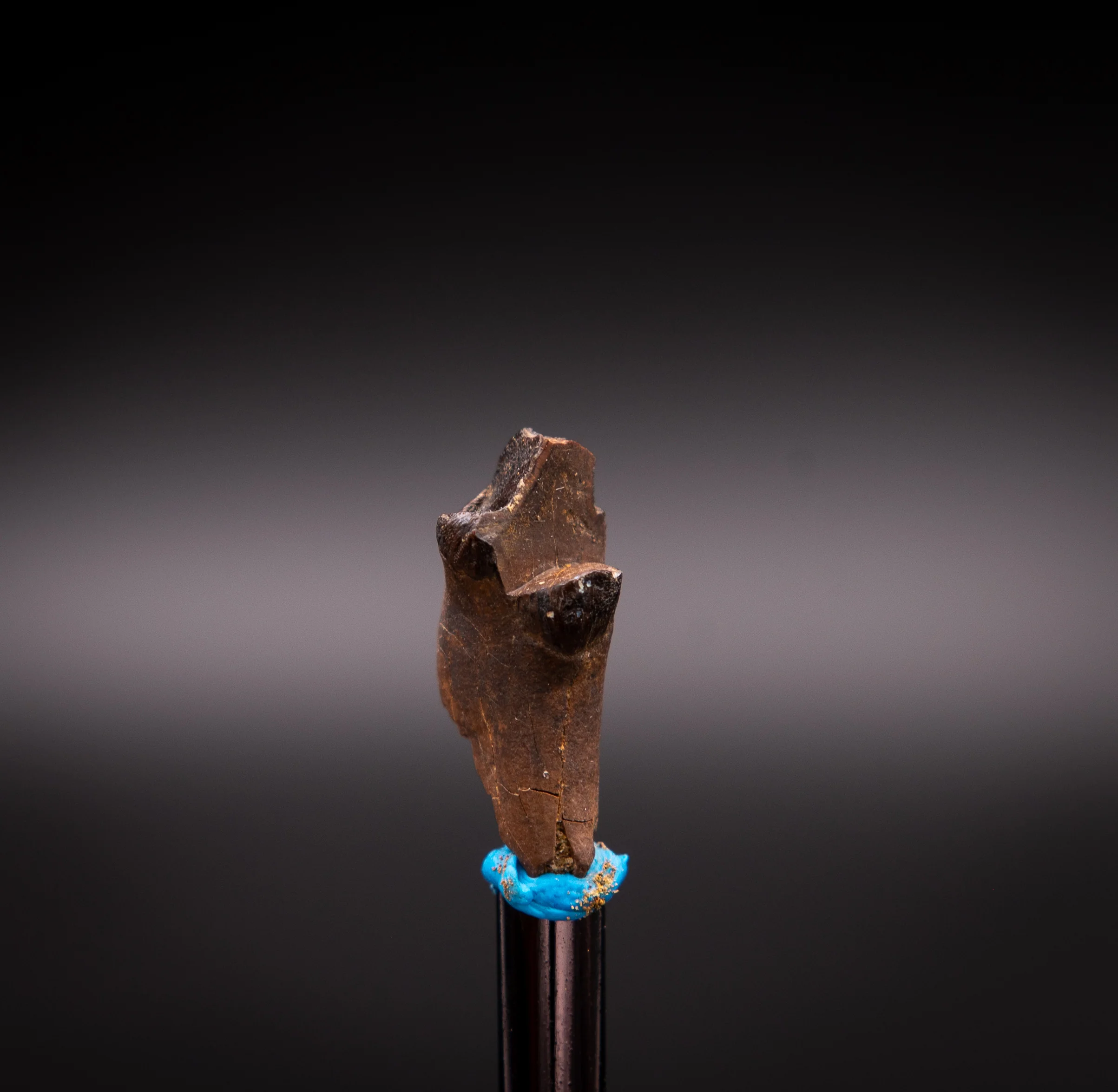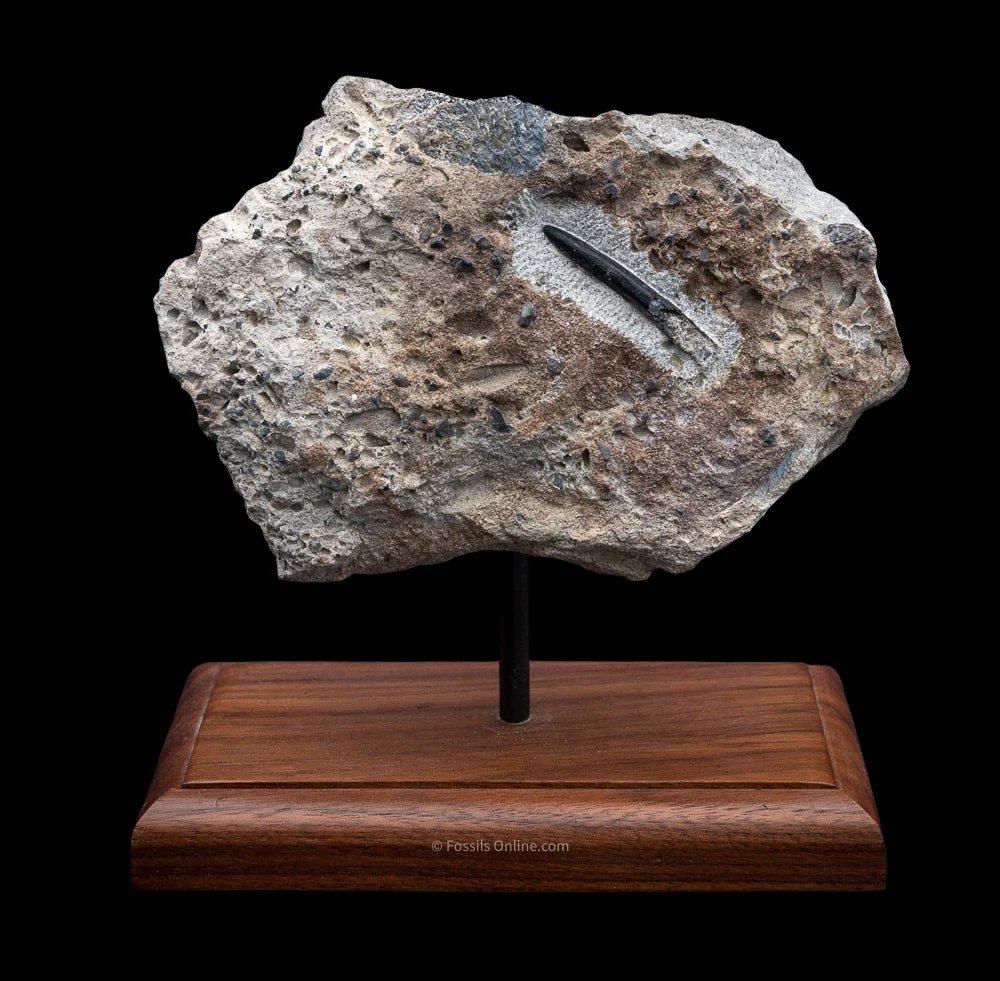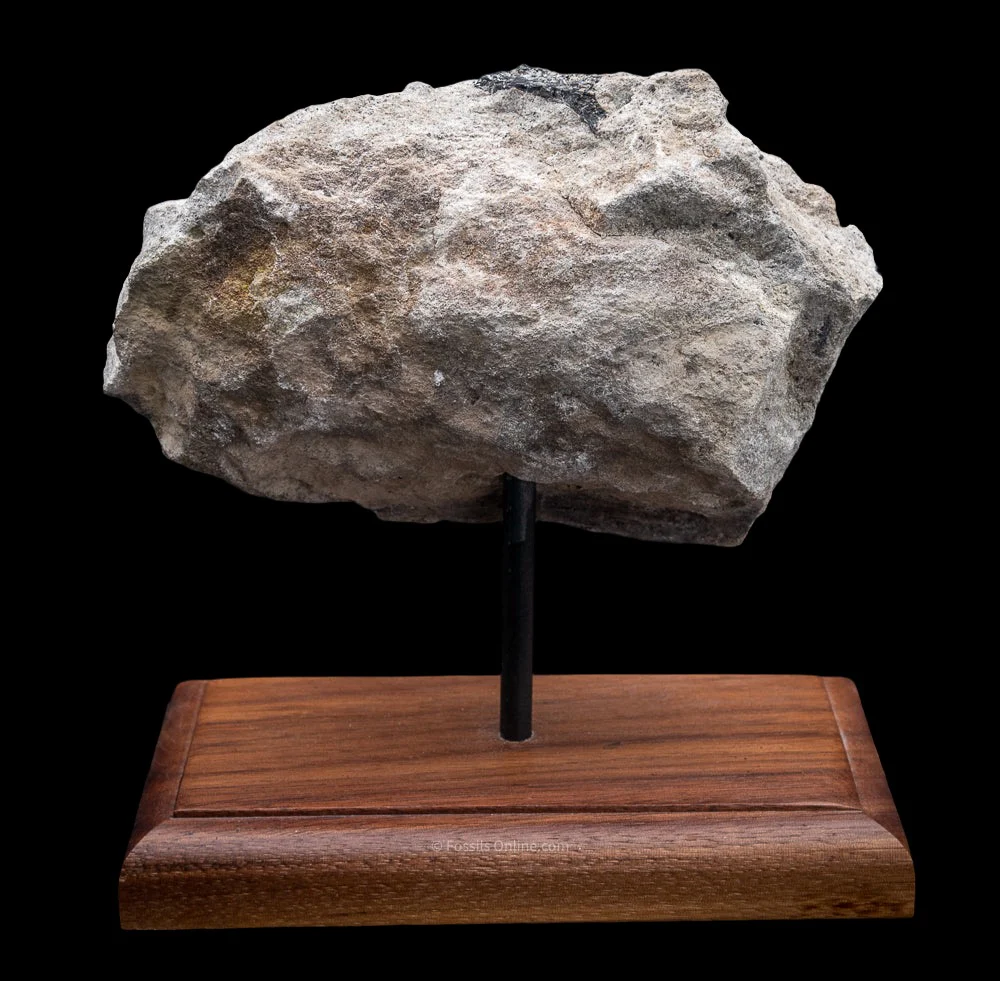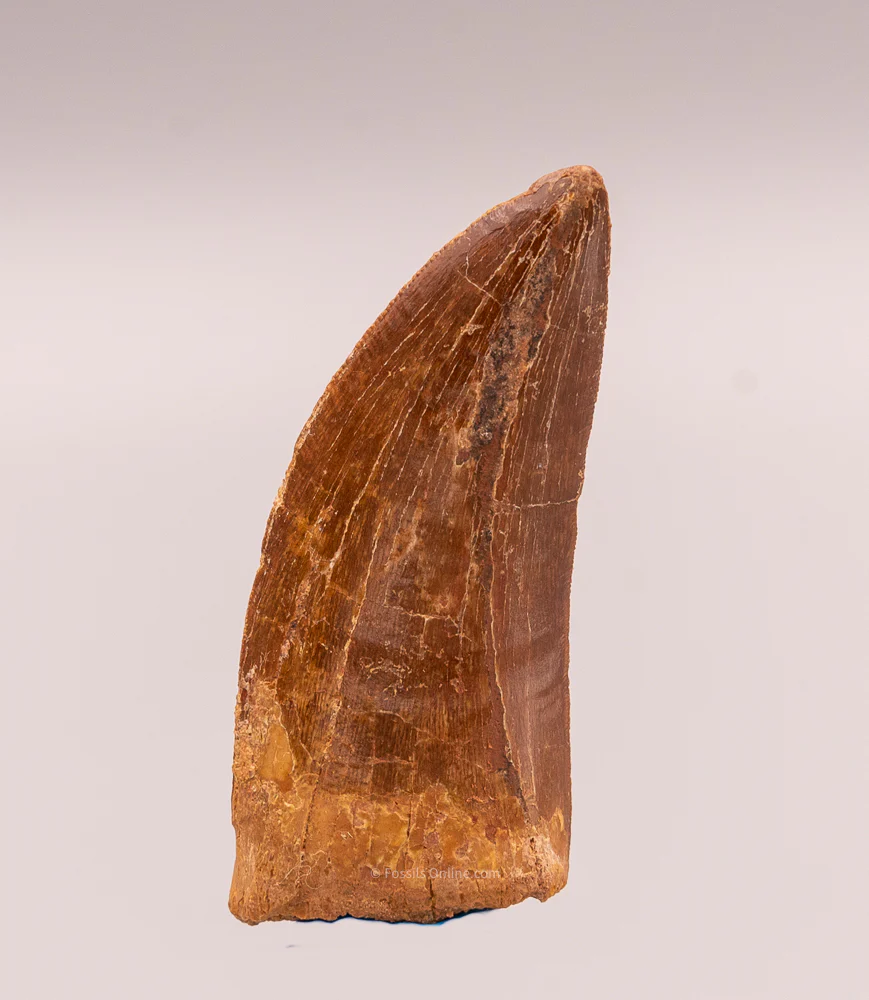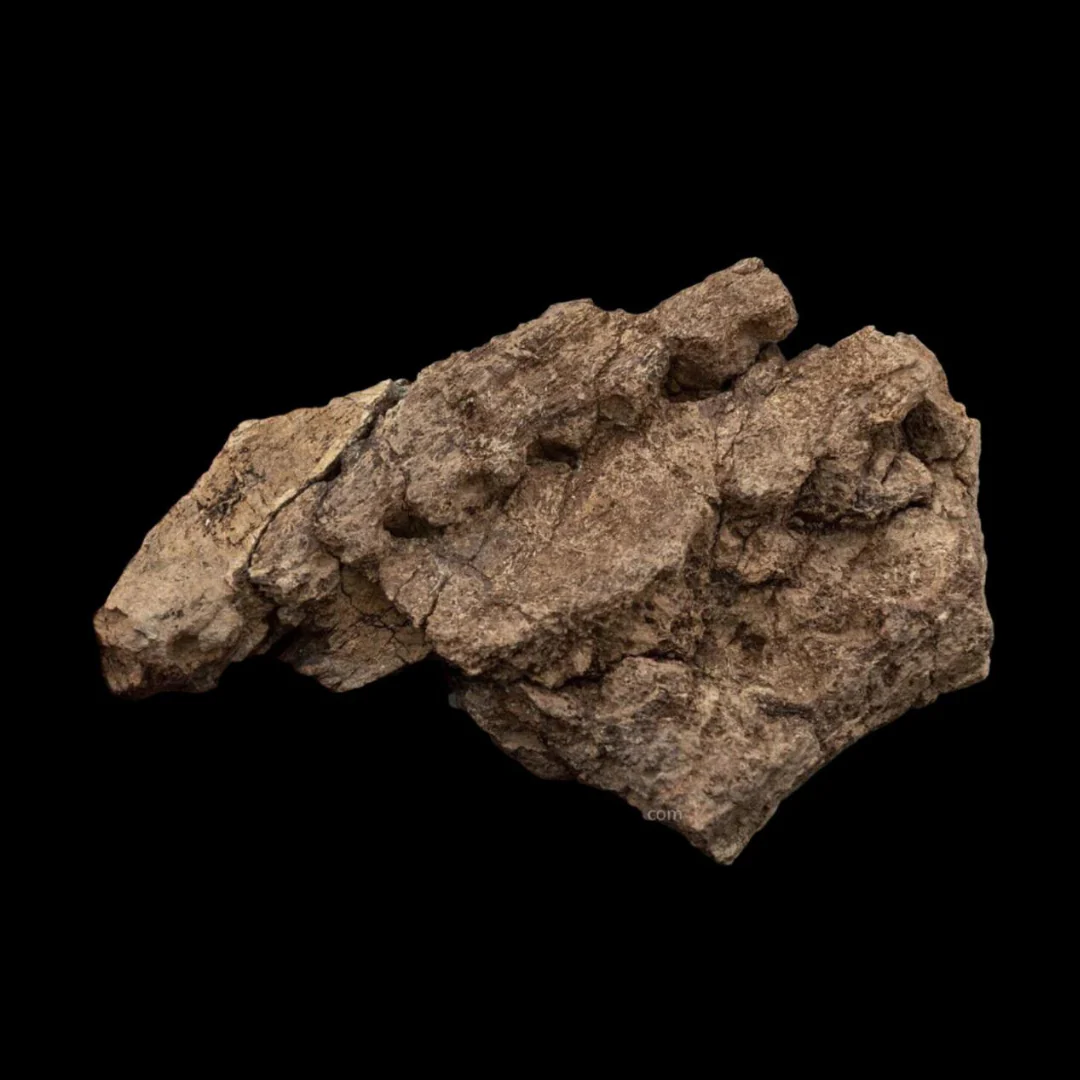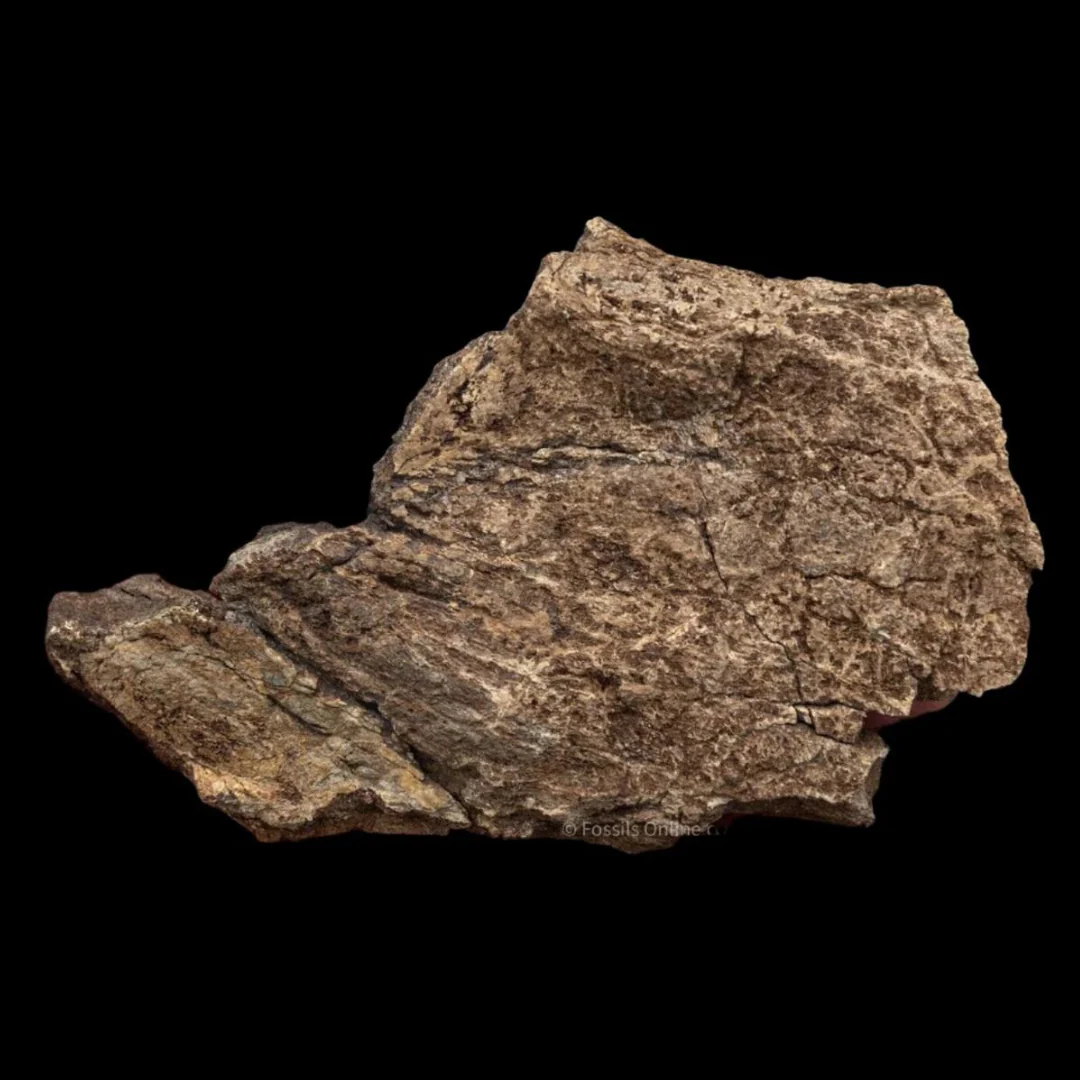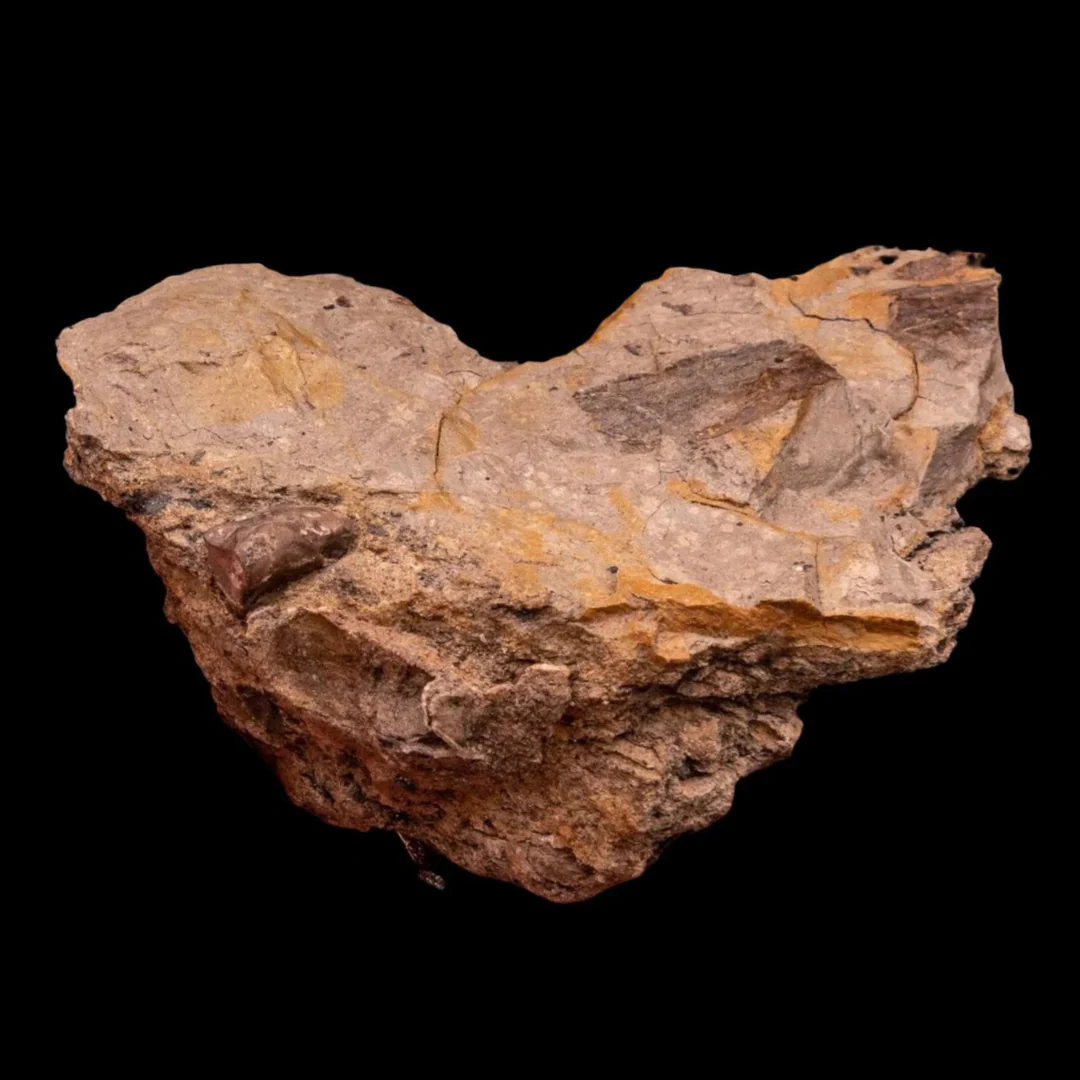
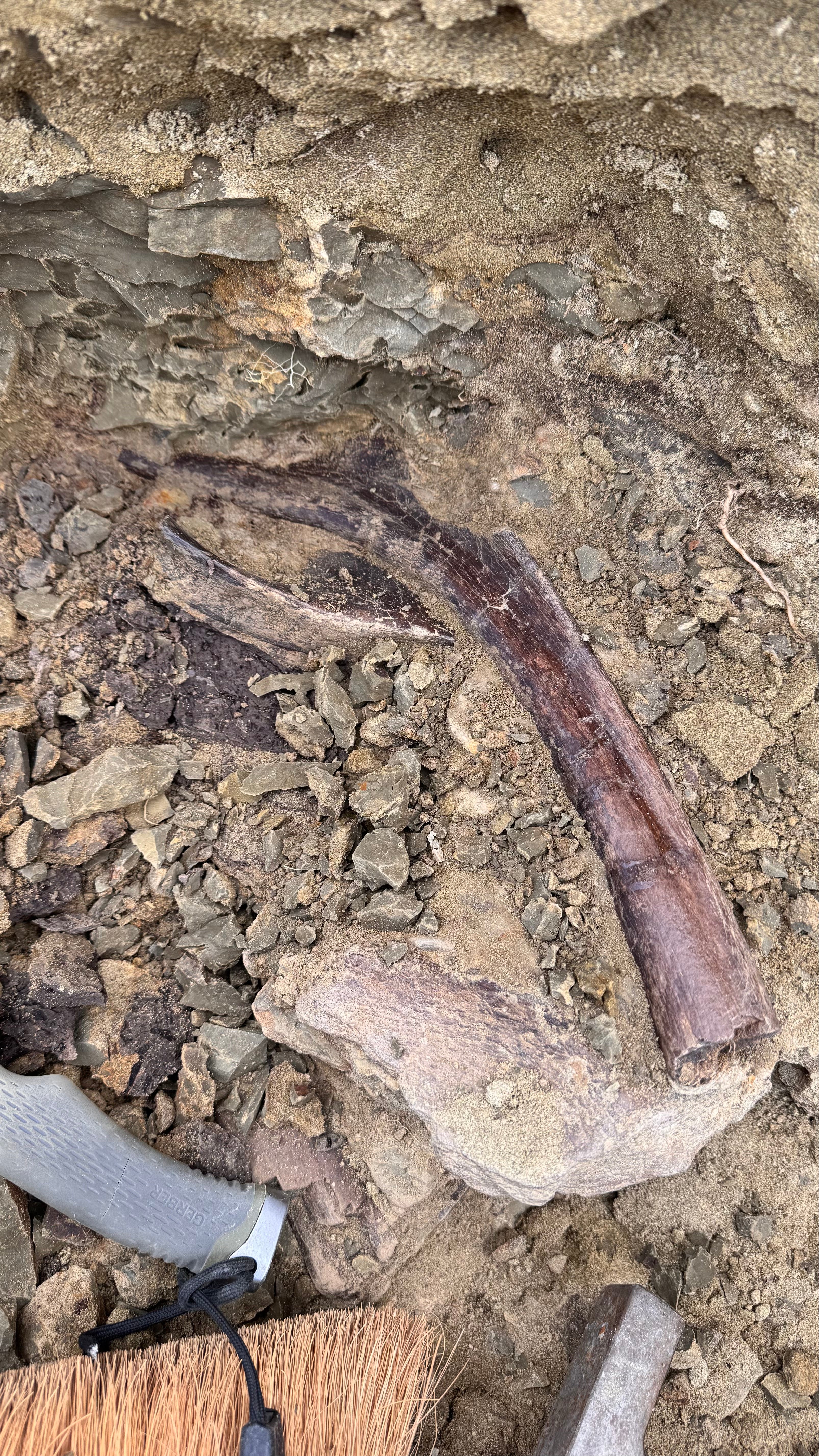
Large Dinosaur Rib
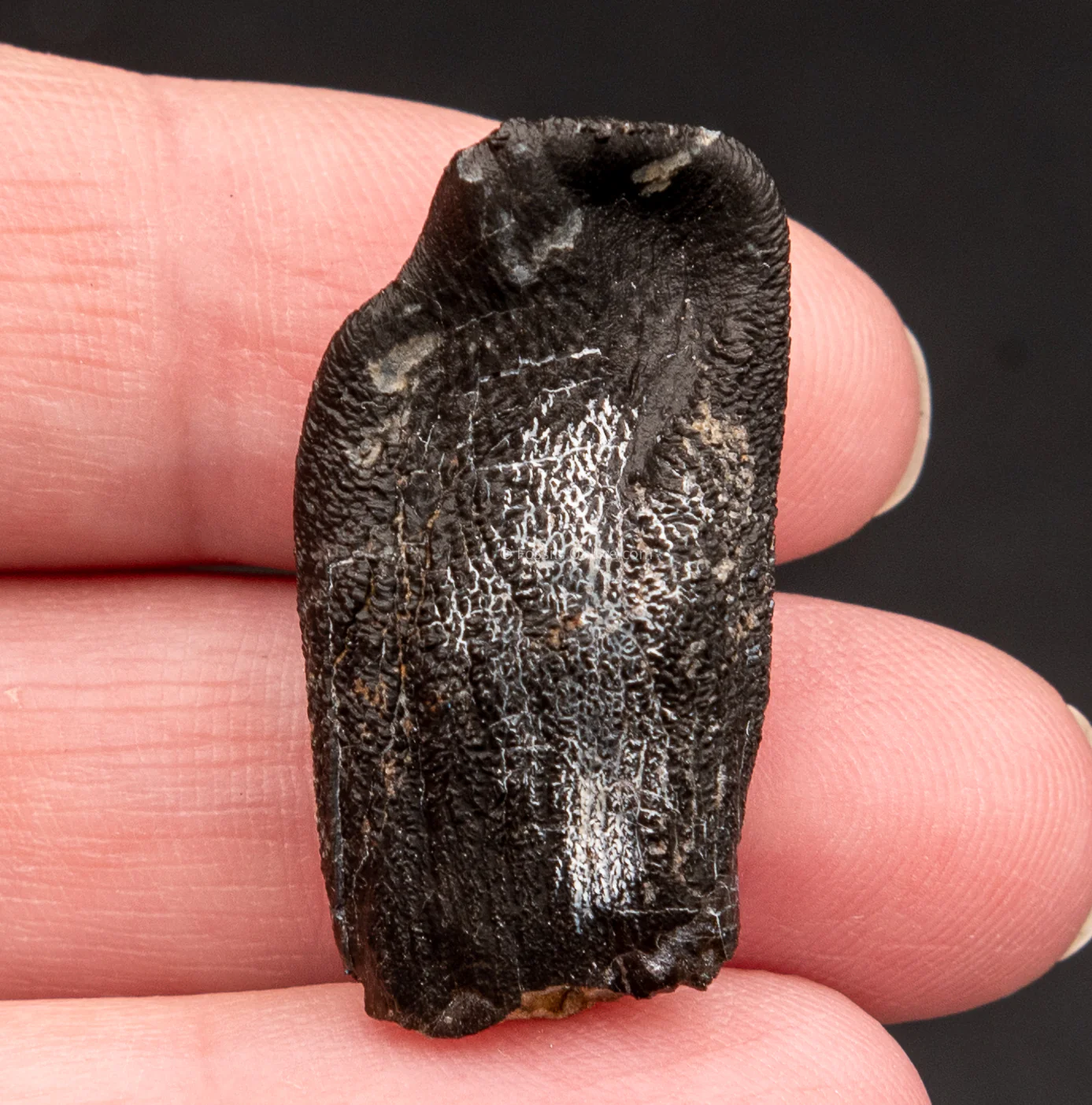
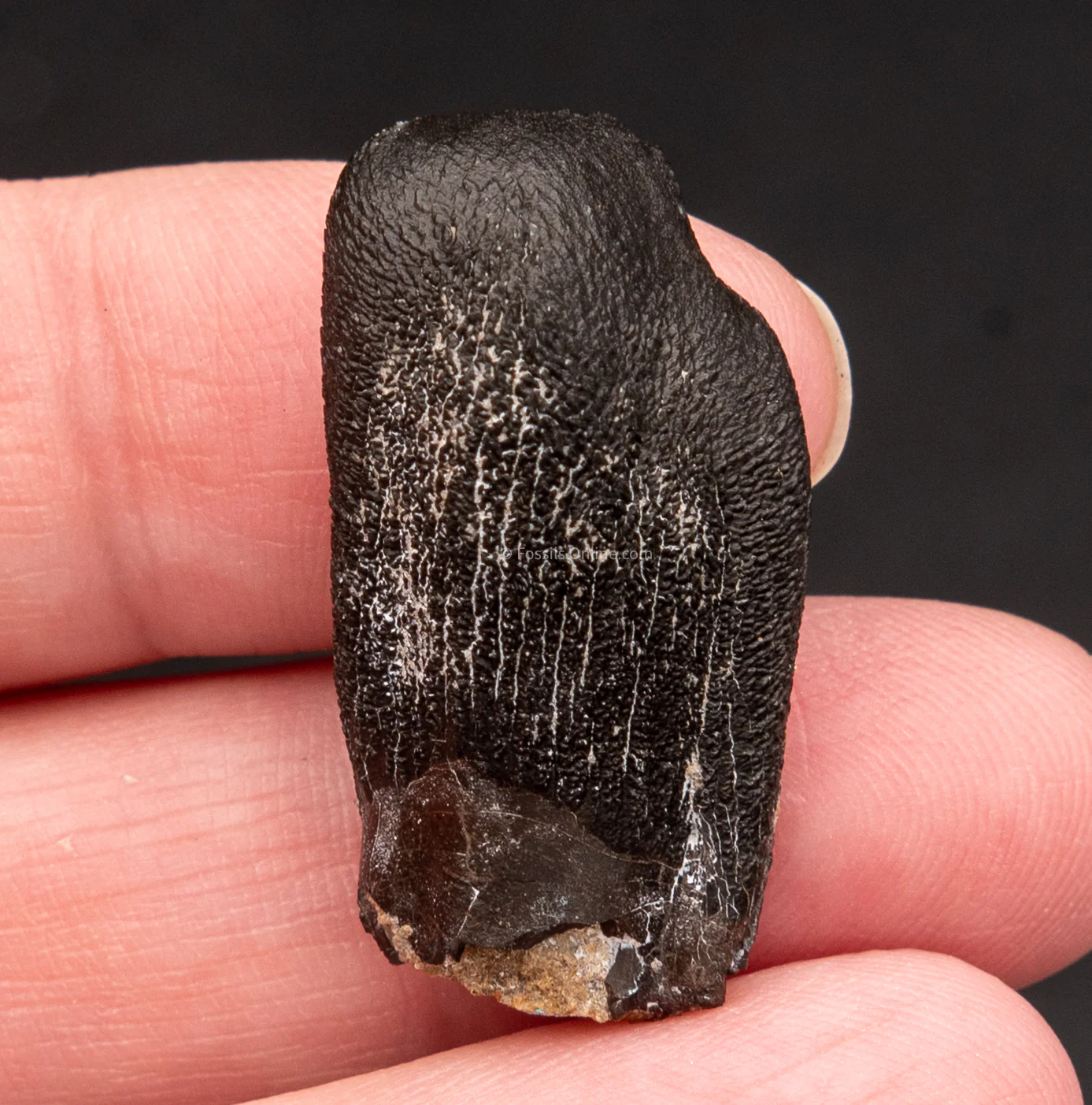
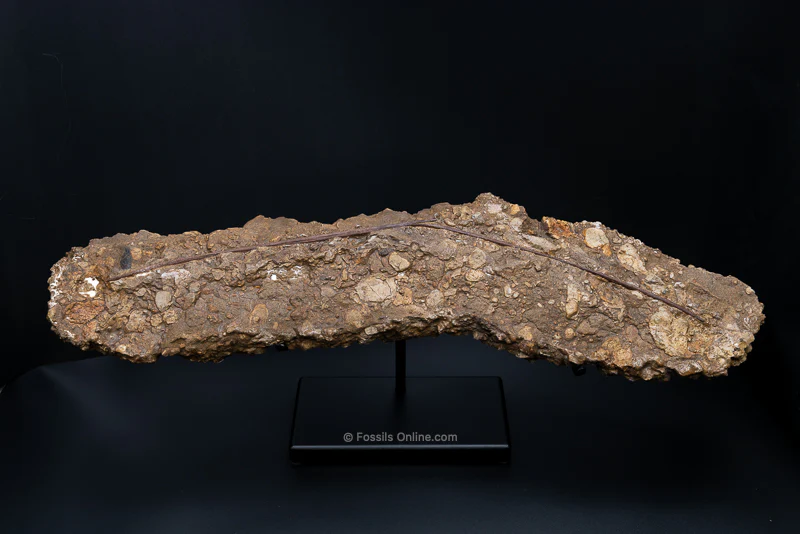
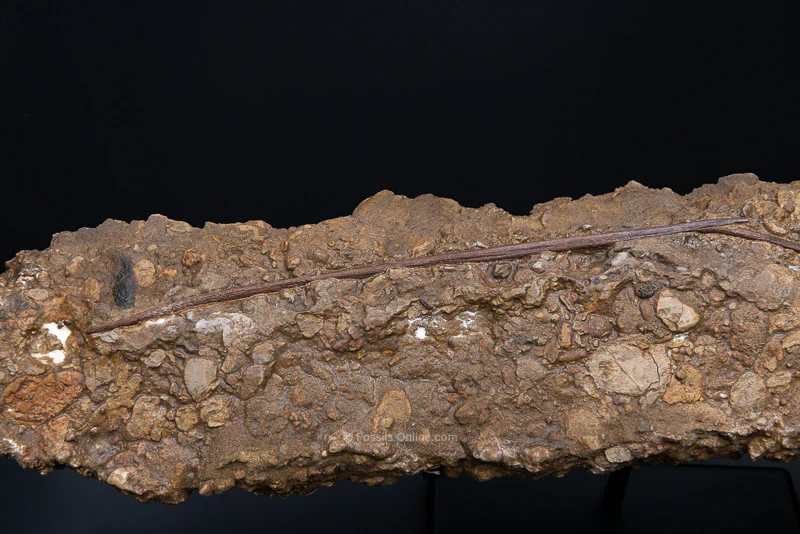
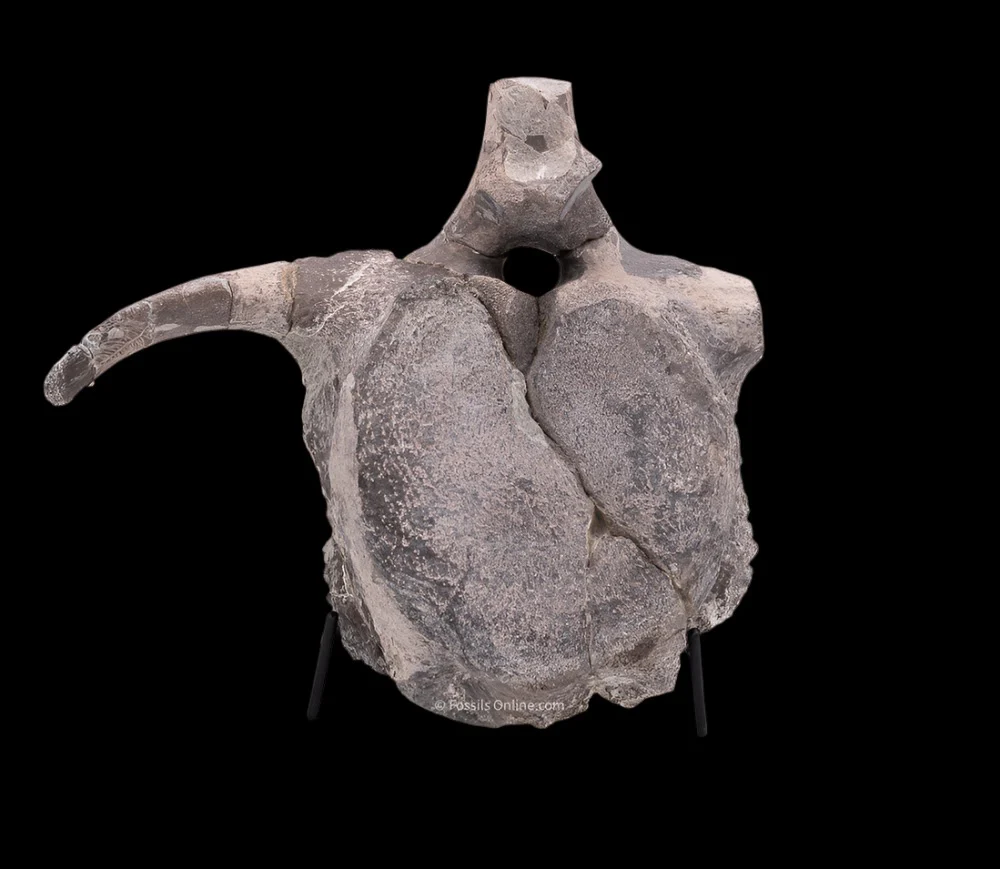
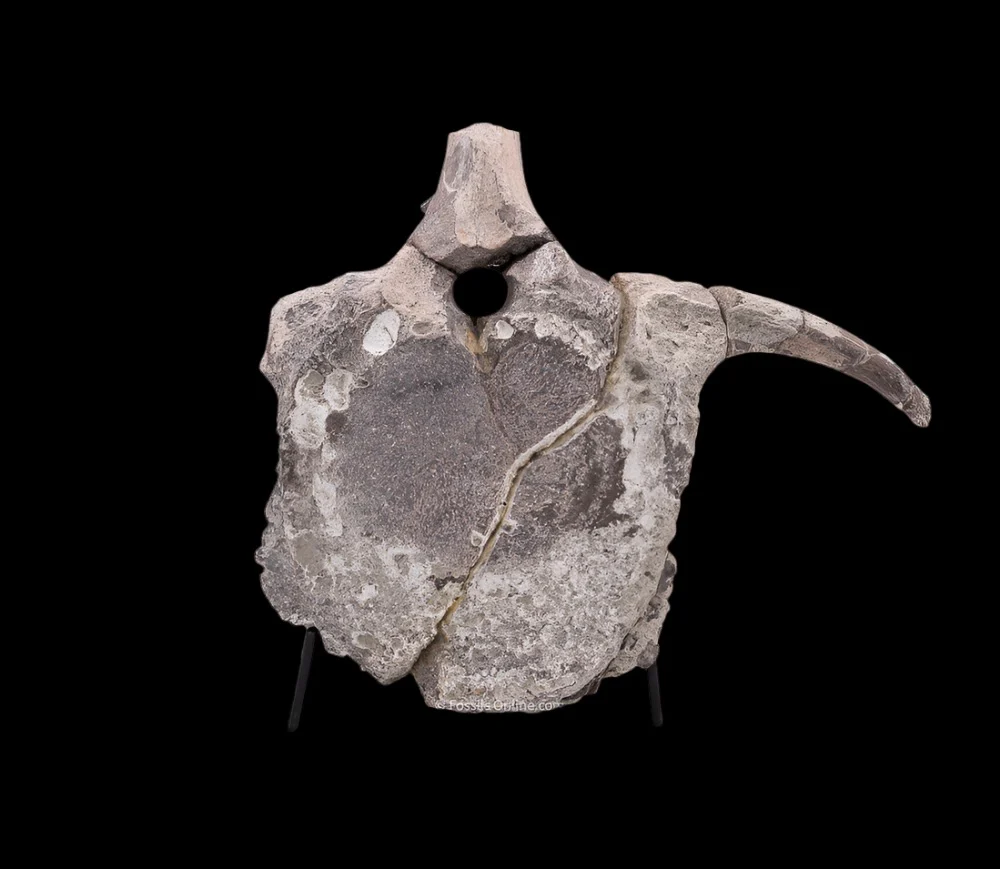
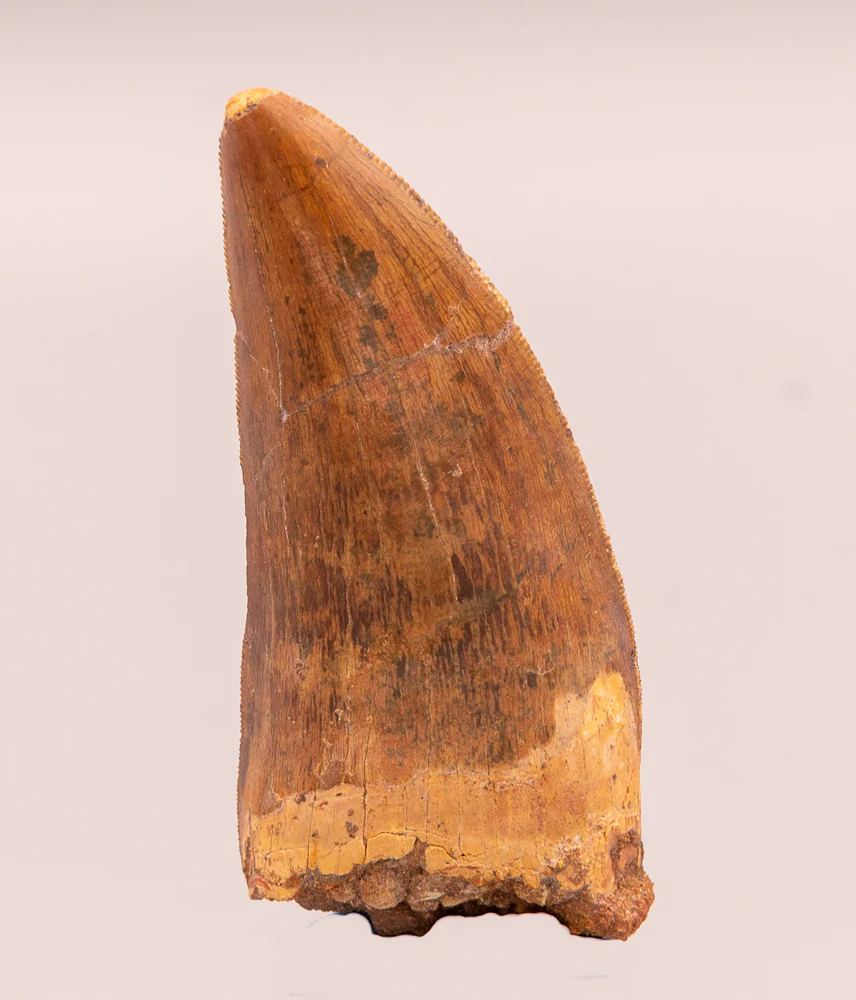
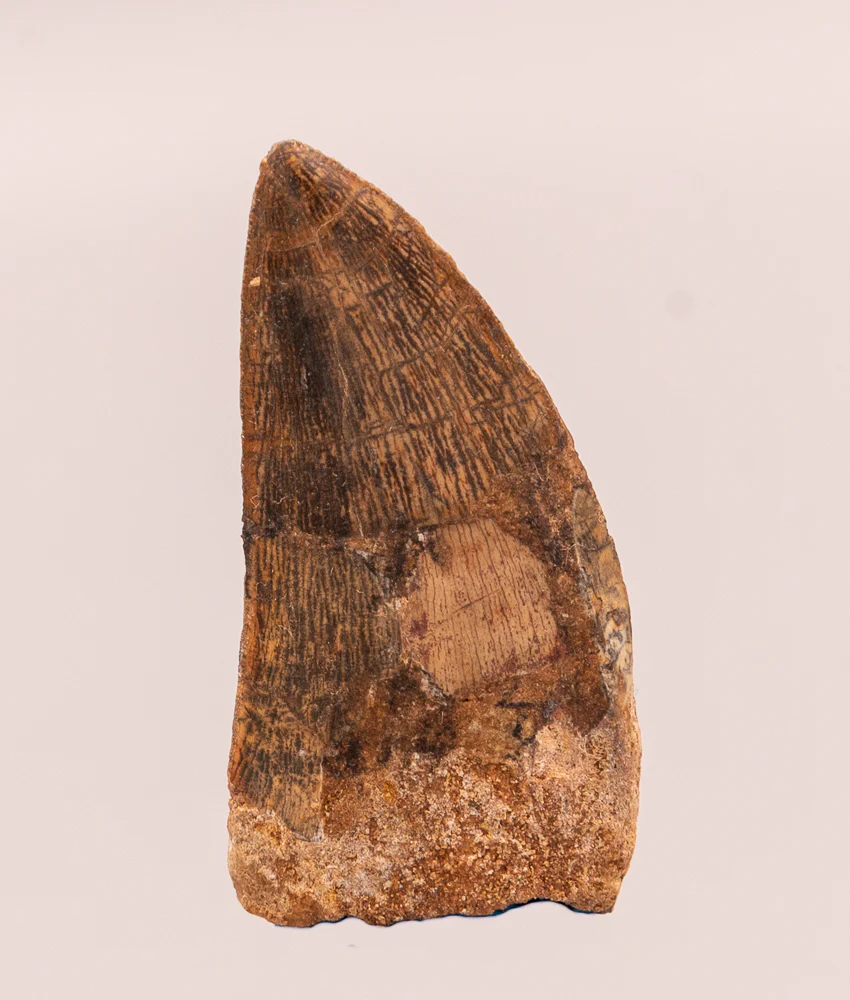
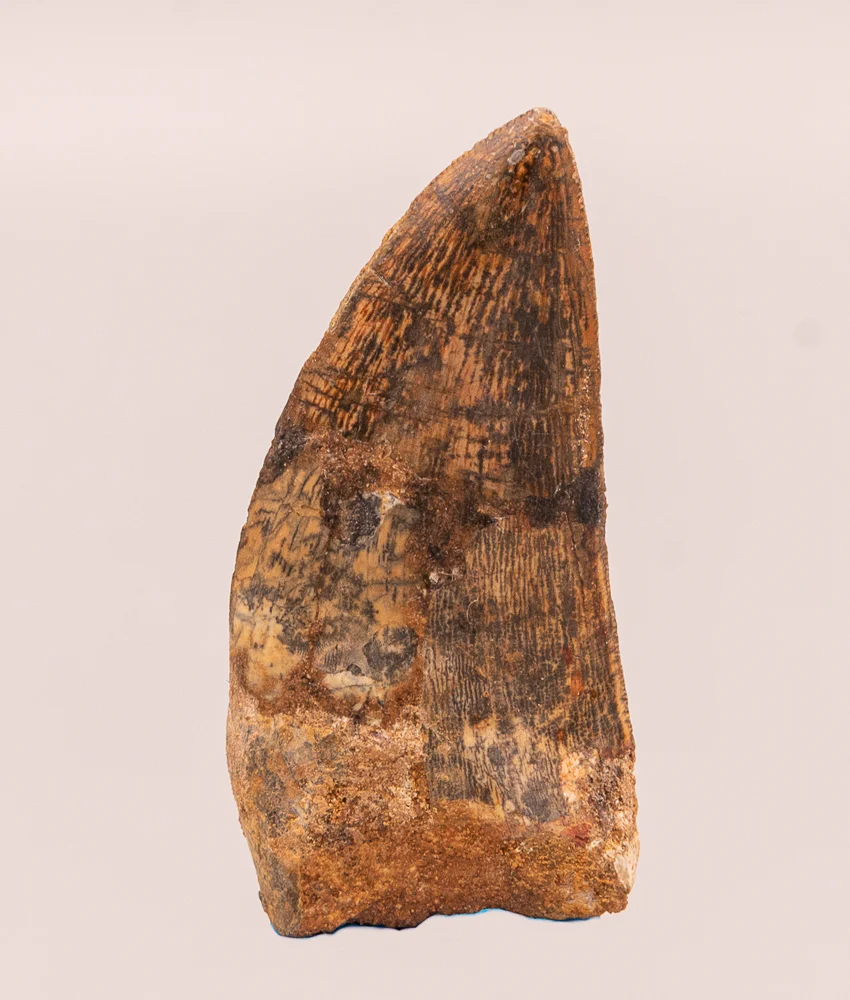
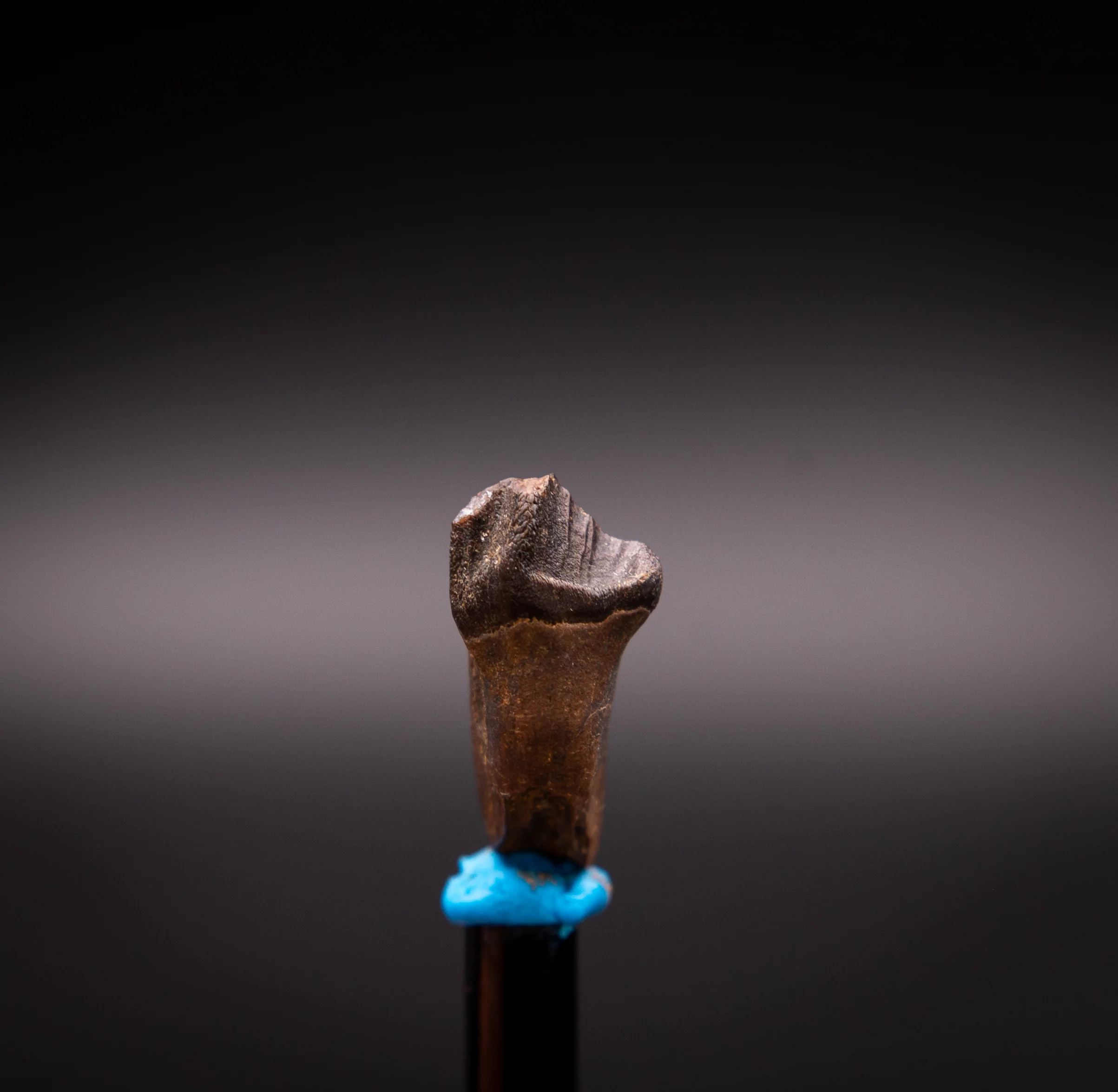
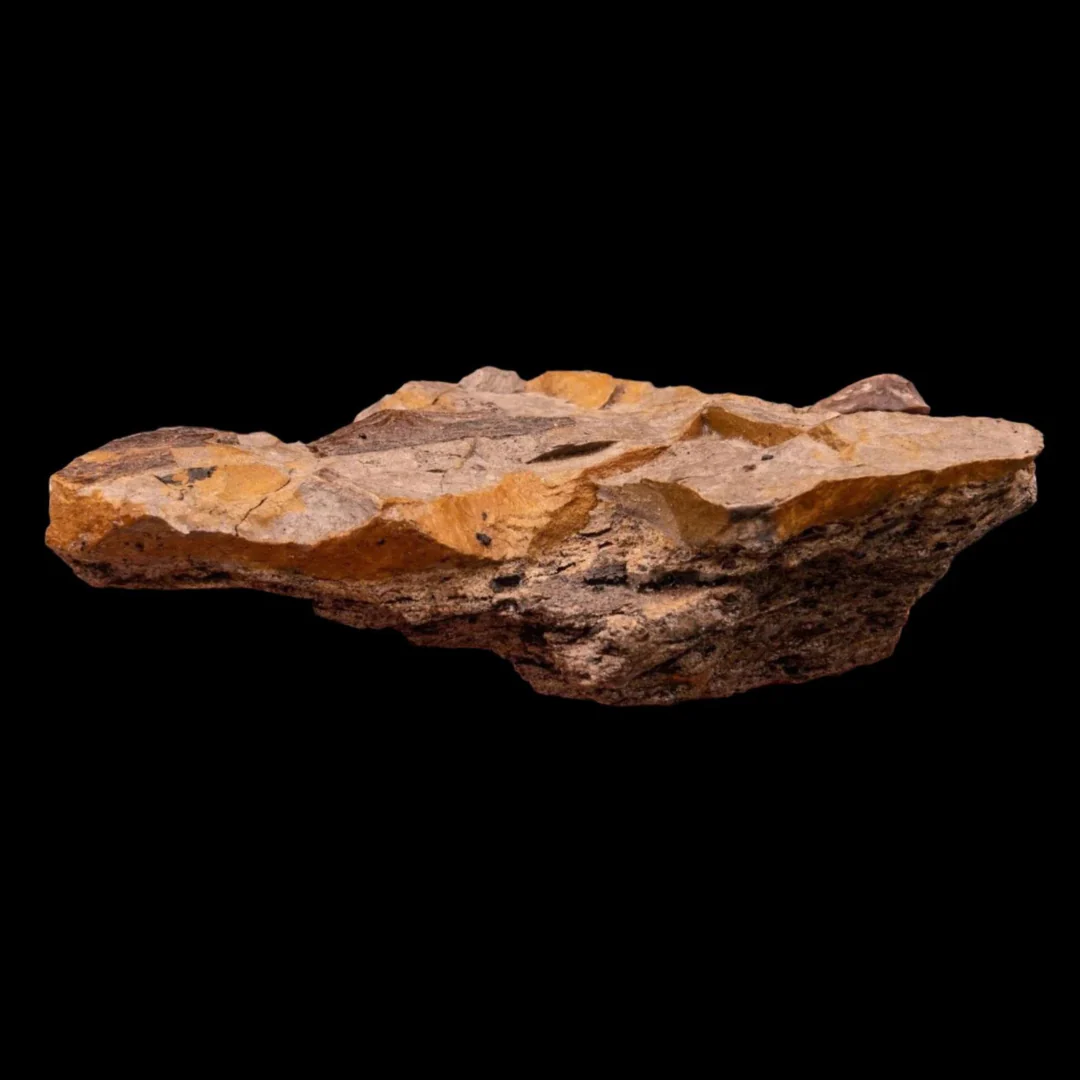
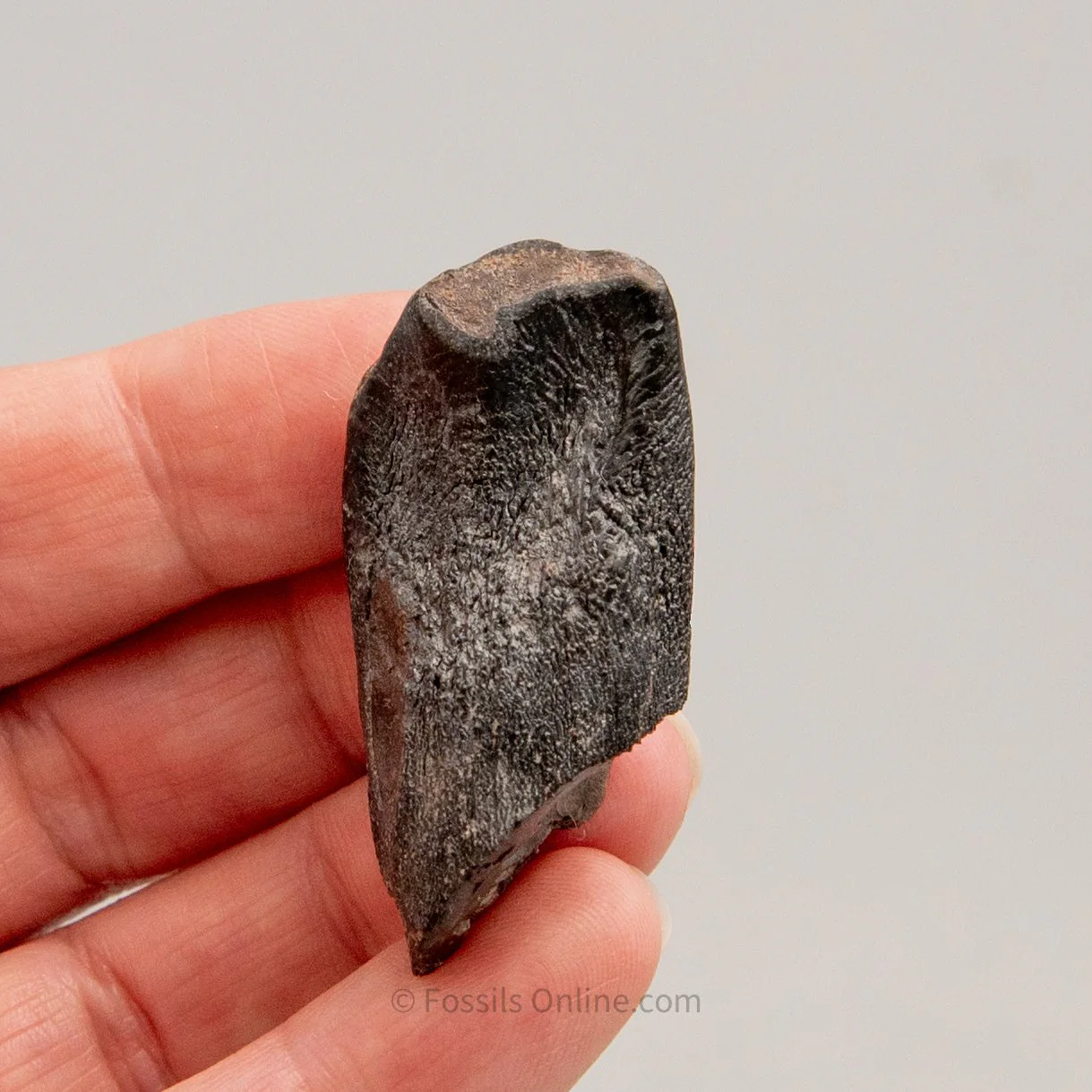
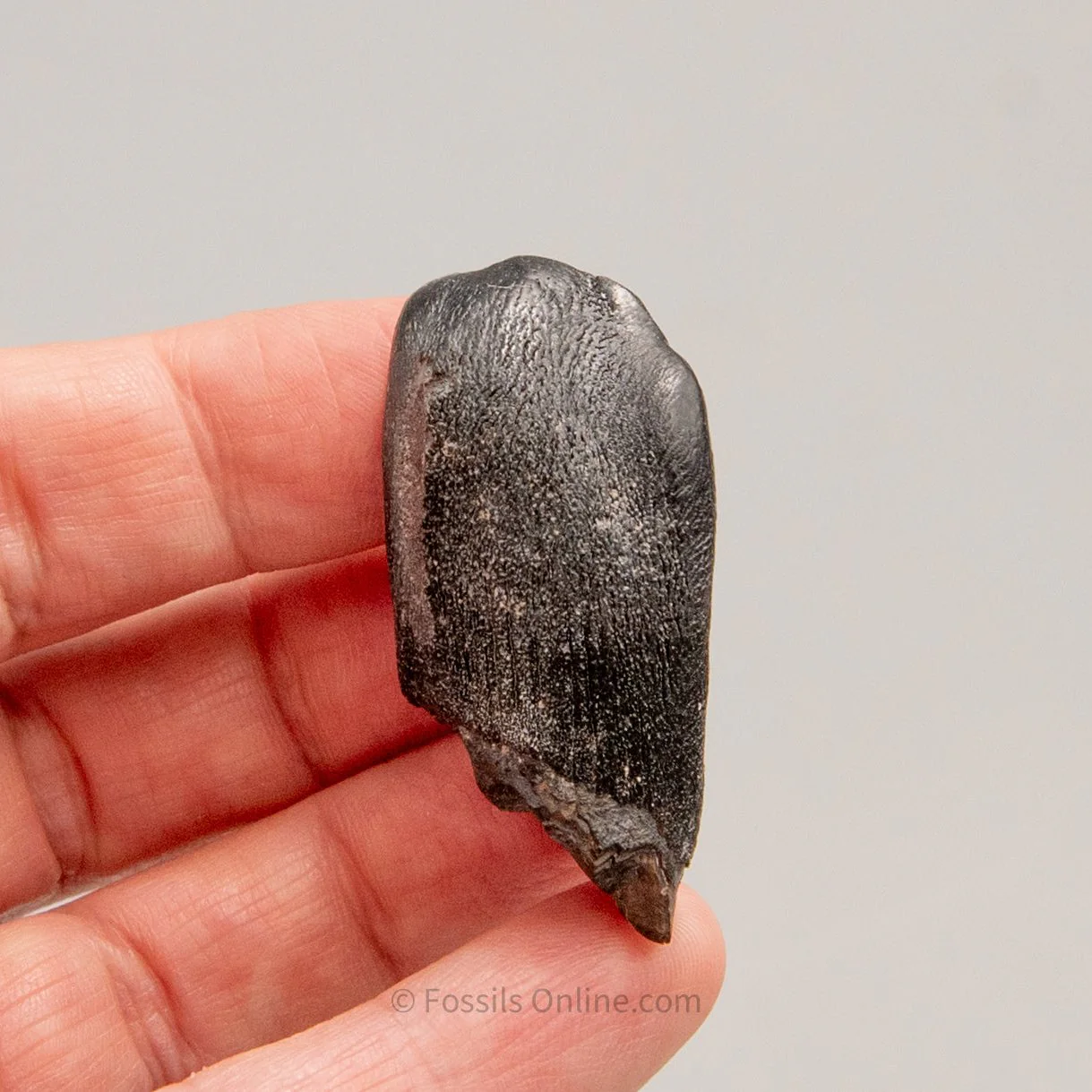
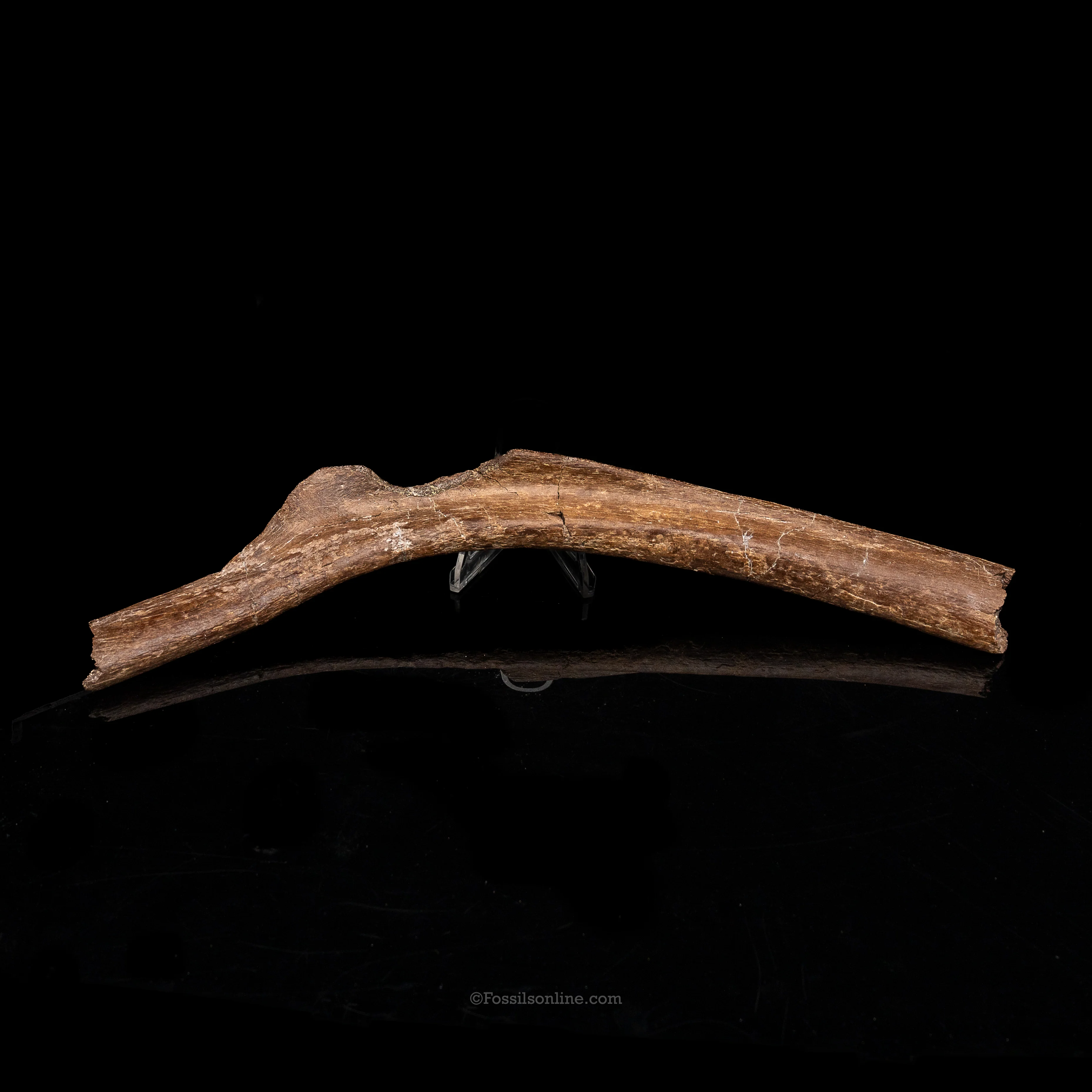
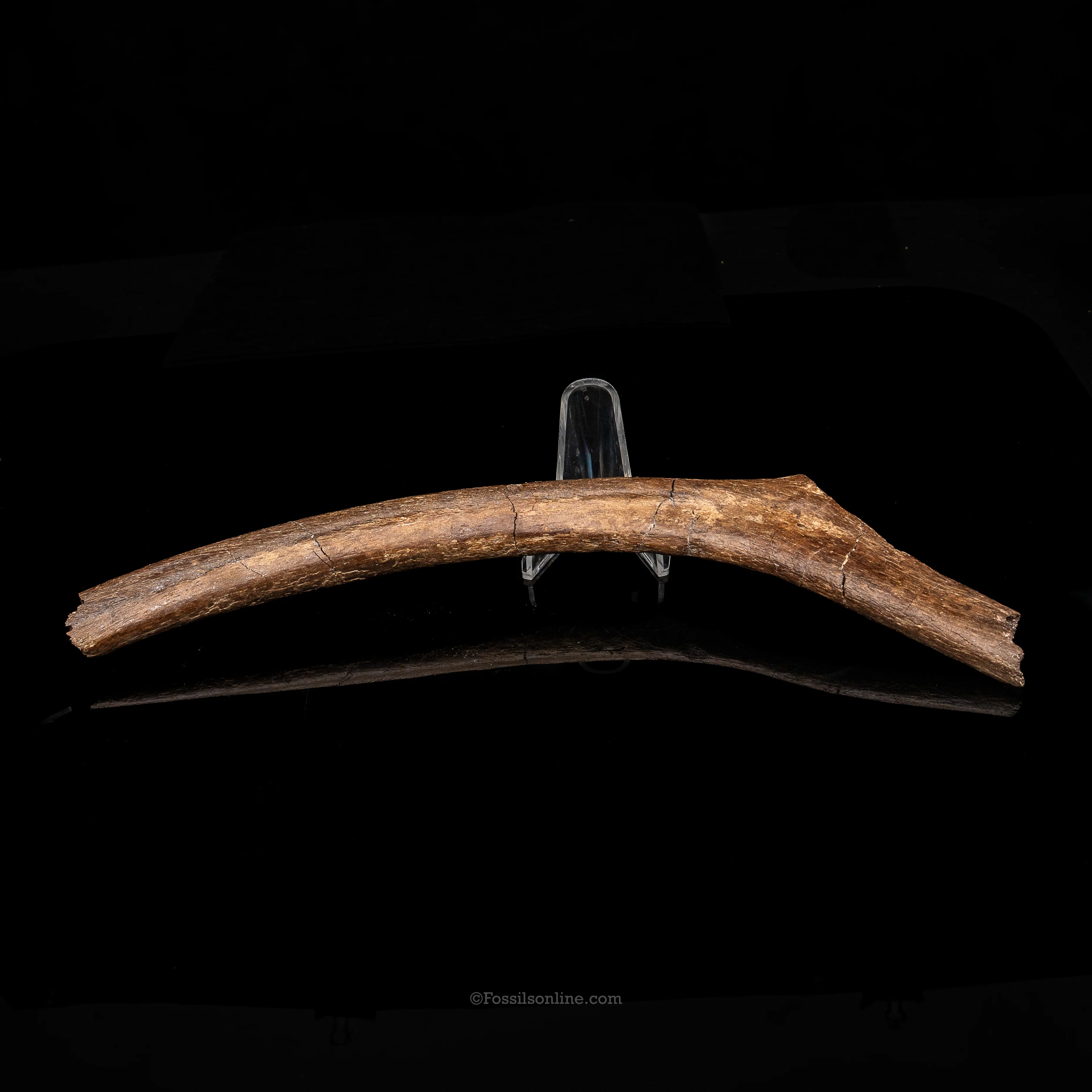
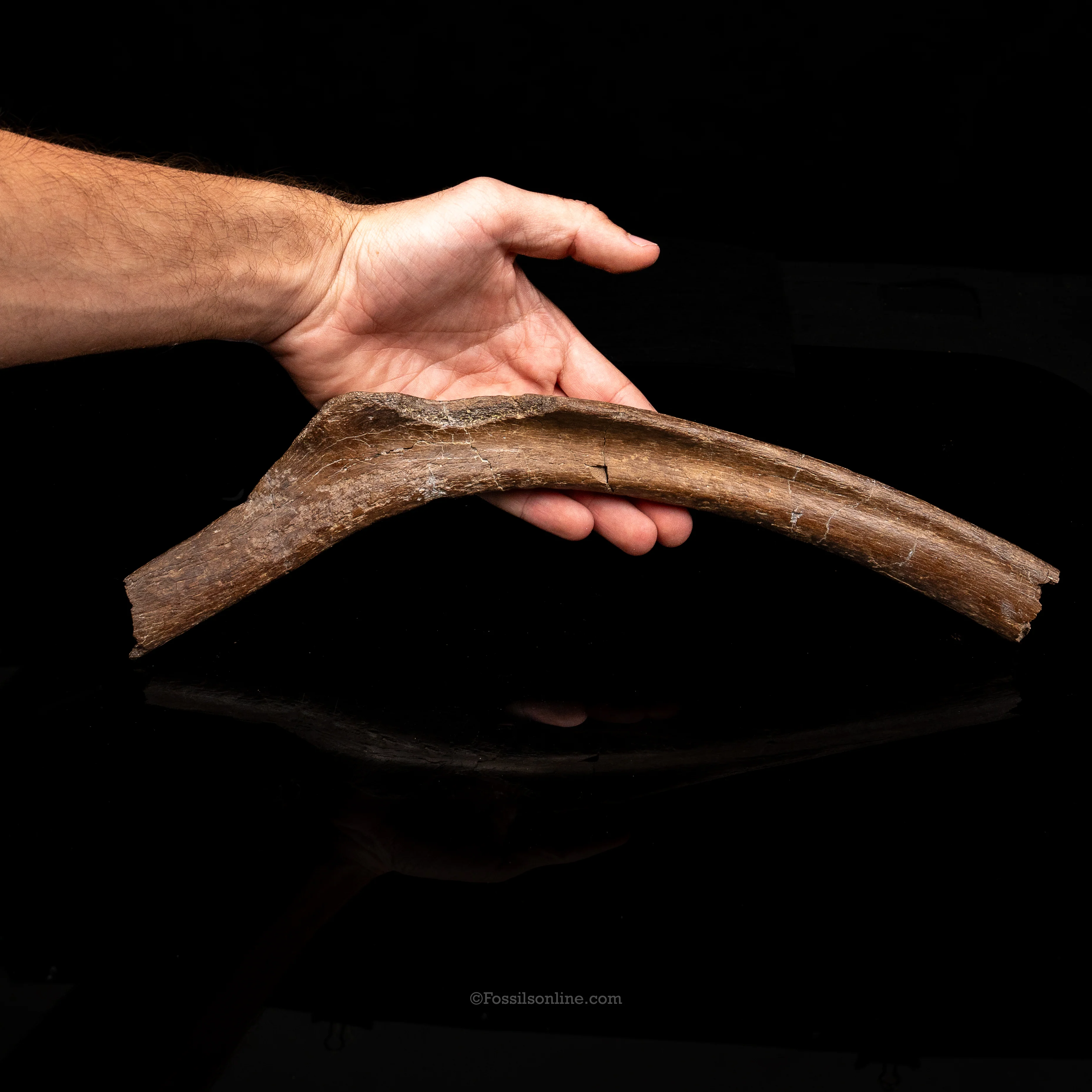
Hold a piece of the final chapter. This large, dense partial rib, most likely Edmontosaurus, comes from the Lance Formation of Wyoming and displays a beautiful natural brown coloration. Carefully repaired with no restoration: every bit of what you see is 100% original dinosaur, 66 million years old.
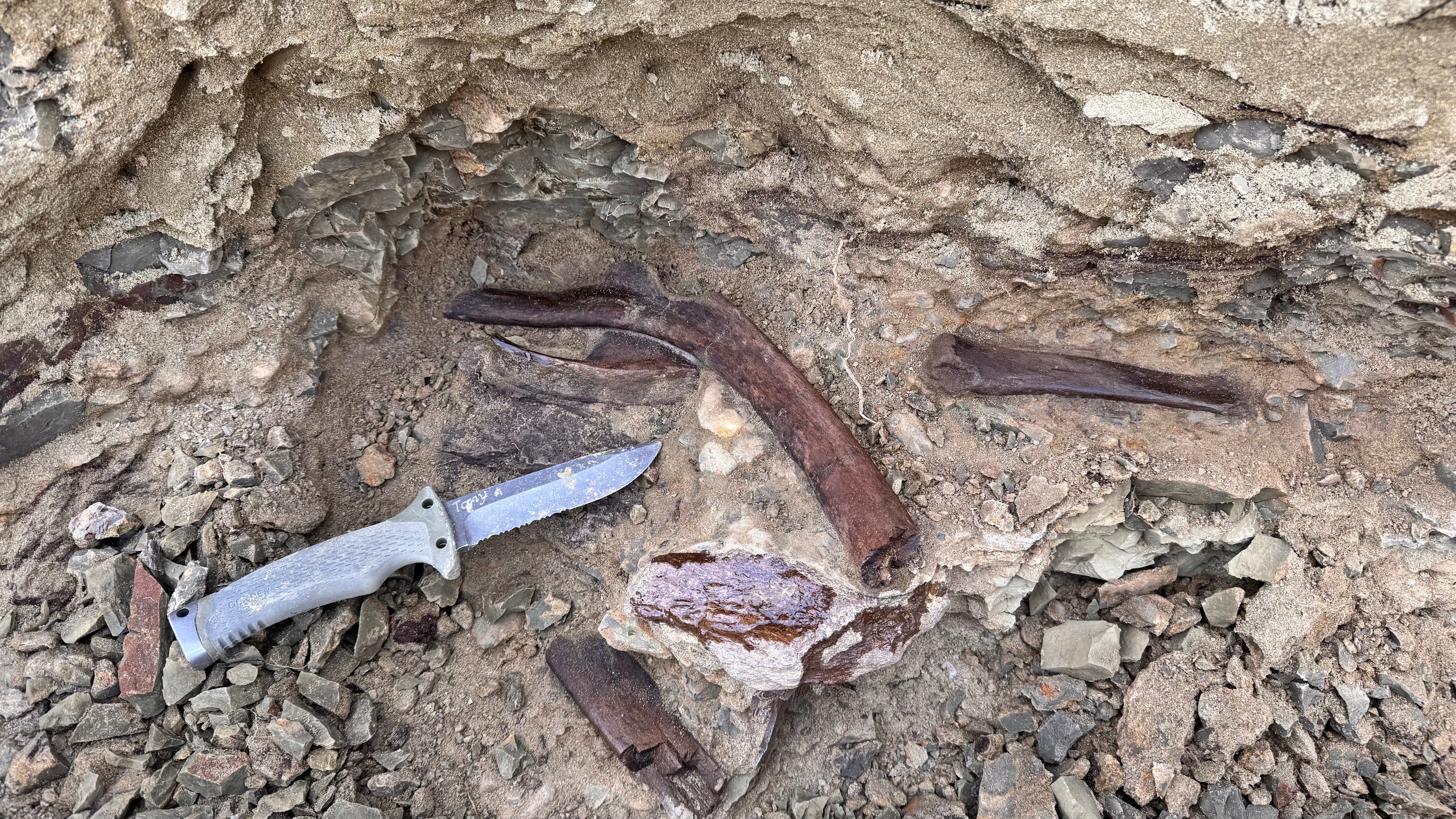
Found during the 2025 digging season.
About Edmontosaurus
Edmontosaurus annectens was a hadrosaur — one of the "duck-billed" dinosaurs — and among the most common large herbivores at the very end of the Cretaceous Period.
- Measured up to 40 feet long and weighed as much as 4 tons
- Broad, flat snout lined with hundreds of tightly packed, self-replacing teeth
- Estimated 1,000+ teeth at any given time — a true eating machine
- Among the most common and widespread dinosaurs of the Late Cretaceous
What Did They Eat?
Edmontosaurus was a dedicated herbivore. Its diet and feeding behavior included:
- Ferns, cycads, and conifers — the dominant plants of the Cretaceous landscape
- Flowering plants (angiosperms) newly spreading across the continent
- A wide keratinous beak for stripping vegetation from branches and stems
- A complex dental battery for grinding tough plant material deep in the jaw
- Likely traveled in large herds — bone beds of dozens of individuals confirm social behavior
Contemporaries — Who Shared Its World?
The Lance Formation ecosystem was a crowded, dangerous place. Edmontosaurus shared its world with:
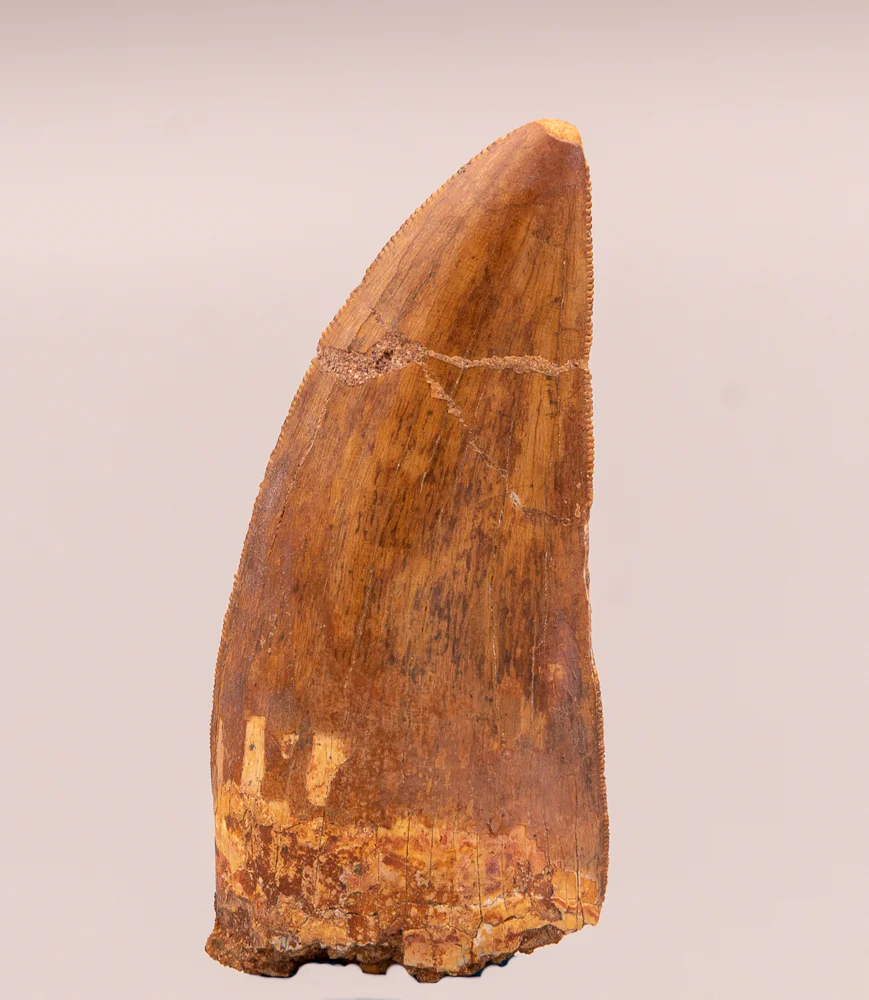
- Tyrannosaurus rex — its primary predator; healed T. rex bite marks on Edmontosaurus tail bones prove it survived attacks
- Triceratops horridus — the iconic three-horned ceratopsian
- Ankylosaurus — the armored tank of the Cretaceous
- Pachycephalosaurus — the dome-headed bone-head
- Torosaurus — a large ceratopsian with a massive frill
- Thescelosaurus — a small, fleet-footed ornithopod
- Acheroraptor — a dromaeosaurid raptor of the Lance ecosystem
Related Hadrosaurs — The Duck-Billed Family
Edmontosaurus belonged to a spectacularly diverse dinosaur family. Close relatives include:
- Parasaurolophus — famous for its long hollow crest, likely used for vocalizing and species recognition
- Corythosaurus — bearing a helmet-like crest on top of its skull
- Lambeosaurus — a crested hadrosaur from slightly earlier in the Cretaceous
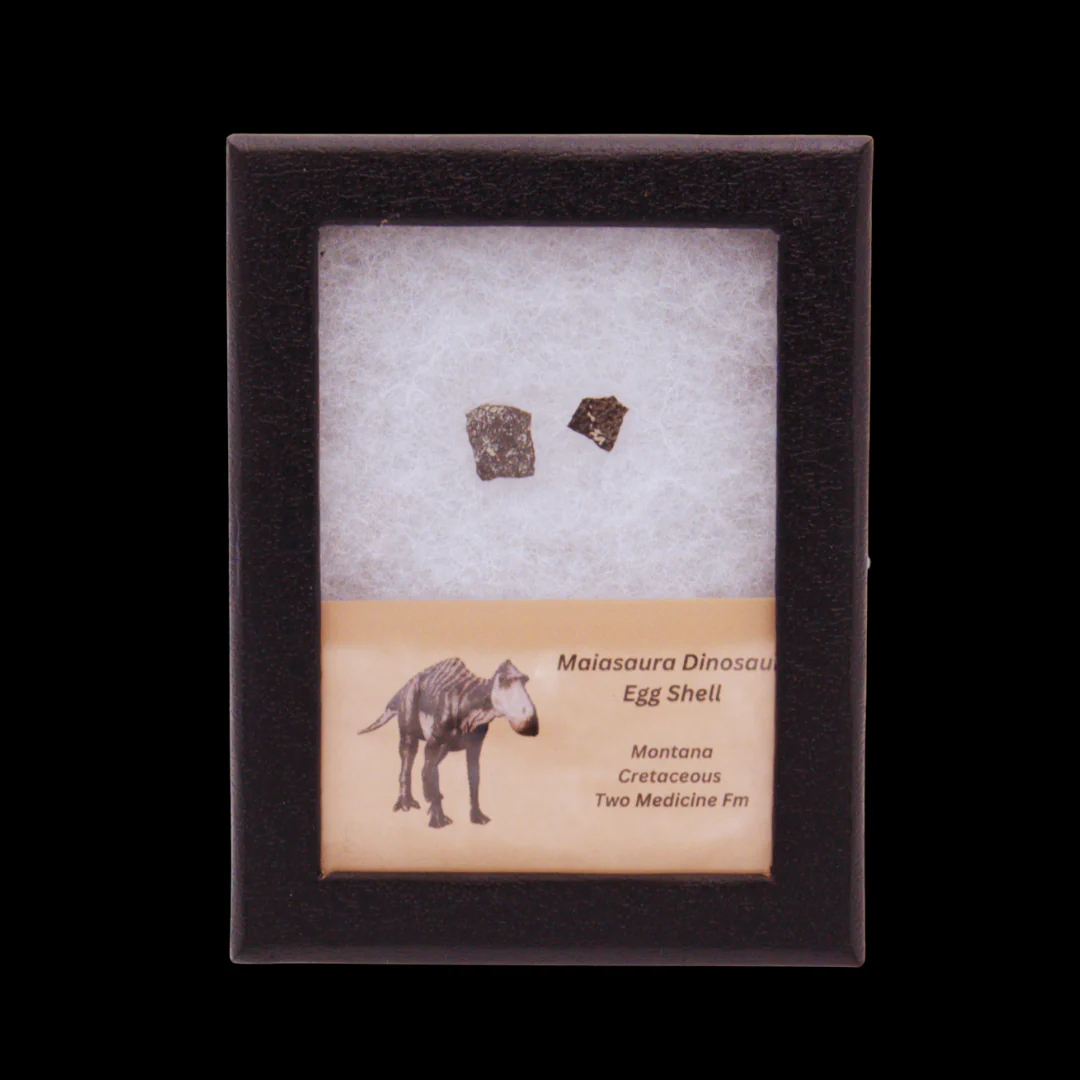
- Maiasaura — provided groundbreaking evidence that some dinosaurs actively cared for their young in nesting colonies
Together, the hadrosaurs were the most successful large herbivores of the late Mesozoic, filling the ecological role that cattle and horses fill today.
Specimen Details
Original: $275.00
-65%$275.00
$96.25Product Information
Product Information
Shipping & Returns
Shipping & Returns
Description
Hold a piece of the final chapter. This large, dense partial rib, most likely Edmontosaurus, comes from the Lance Formation of Wyoming and displays a beautiful natural brown coloration. Carefully repaired with no restoration: every bit of what you see is 100% original dinosaur, 66 million years old.
Found during the 2025 digging season.
About Edmontosaurus
Edmontosaurus annectens was a hadrosaur — one of the "duck-billed" dinosaurs — and among the most common large herbivores at the very end of the Cretaceous Period.
- Measured up to 40 feet long and weighed as much as 4 tons
- Broad, flat snout lined with hundreds of tightly packed, self-replacing teeth
- Estimated 1,000+ teeth at any given time — a true eating machine
- Among the most common and widespread dinosaurs of the Late Cretaceous
What Did They Eat?
Edmontosaurus was a dedicated herbivore. Its diet and feeding behavior included:
- Ferns, cycads, and conifers — the dominant plants of the Cretaceous landscape
- Flowering plants (angiosperms) newly spreading across the continent
- A wide keratinous beak for stripping vegetation from branches and stems
- A complex dental battery for grinding tough plant material deep in the jaw
- Likely traveled in large herds — bone beds of dozens of individuals confirm social behavior
Contemporaries — Who Shared Its World?
The Lance Formation ecosystem was a crowded, dangerous place. Edmontosaurus shared its world with:
- Tyrannosaurus rex — its primary predator; healed T. rex bite marks on Edmontosaurus tail bones prove it survived attacks
- Triceratops horridus — the iconic three-horned ceratopsian
- Ankylosaurus — the armored tank of the Cretaceous
- Pachycephalosaurus — the dome-headed bone-head
- Torosaurus — a large ceratopsian with a massive frill
- Thescelosaurus — a small, fleet-footed ornithopod
- Acheroraptor — a dromaeosaurid raptor of the Lance ecosystem
Related Hadrosaurs — The Duck-Billed Family
Edmontosaurus belonged to a spectacularly diverse dinosaur family. Close relatives include:
- Parasaurolophus — famous for its long hollow crest, likely used for vocalizing and species recognition
- Corythosaurus — bearing a helmet-like crest on top of its skull
- Lambeosaurus — a crested hadrosaur from slightly earlier in the Cretaceous
- Maiasaura — provided groundbreaking evidence that some dinosaurs actively cared for their young in nesting colonies
Together, the hadrosaurs were the most successful large herbivores of the late Mesozoic, filling the ecological role that cattle and horses fill today.
Specimen Details