Giant Beaver Incisor
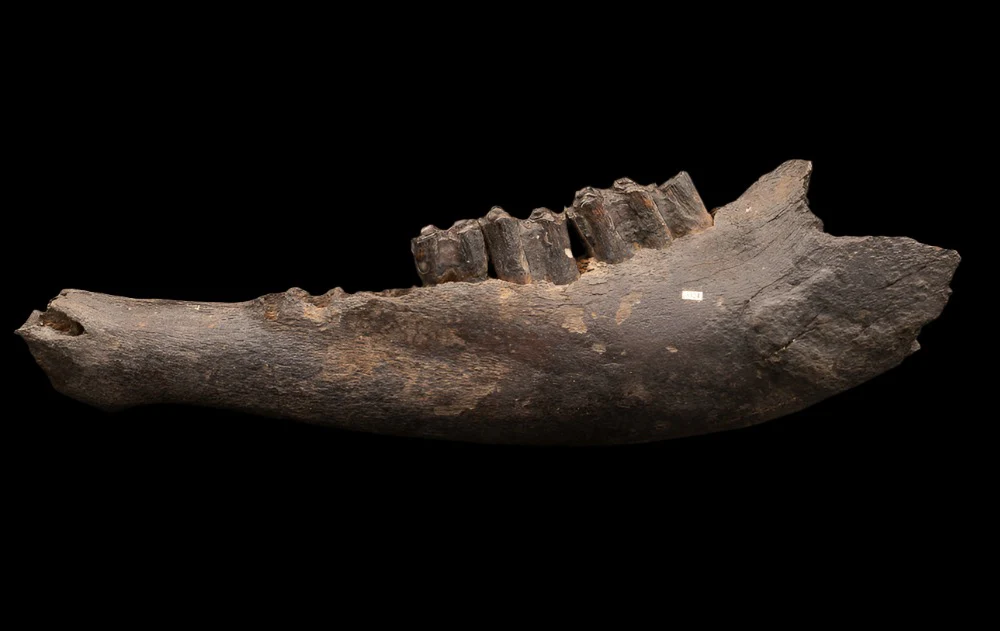
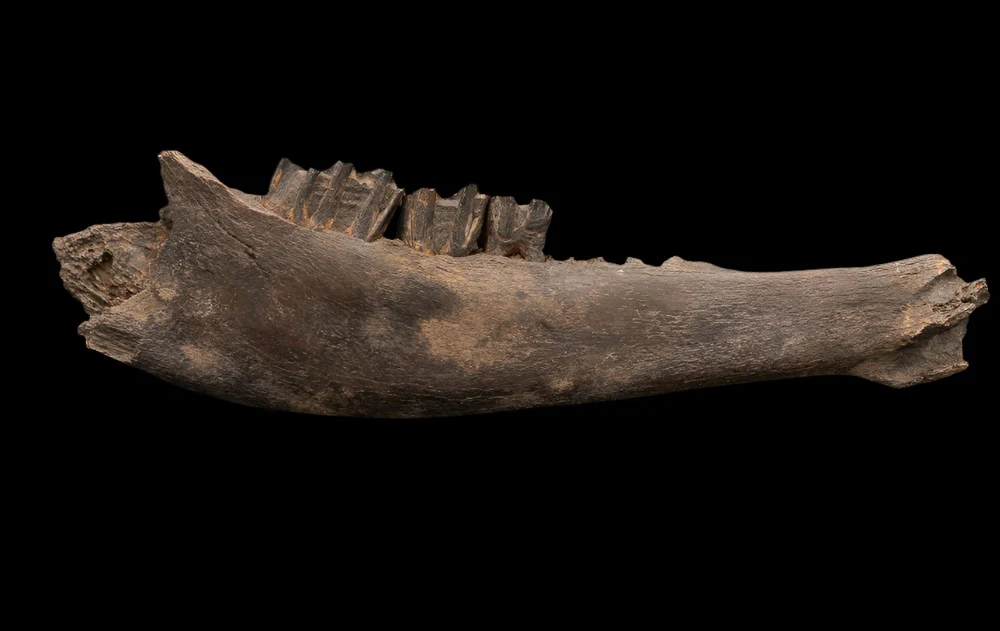
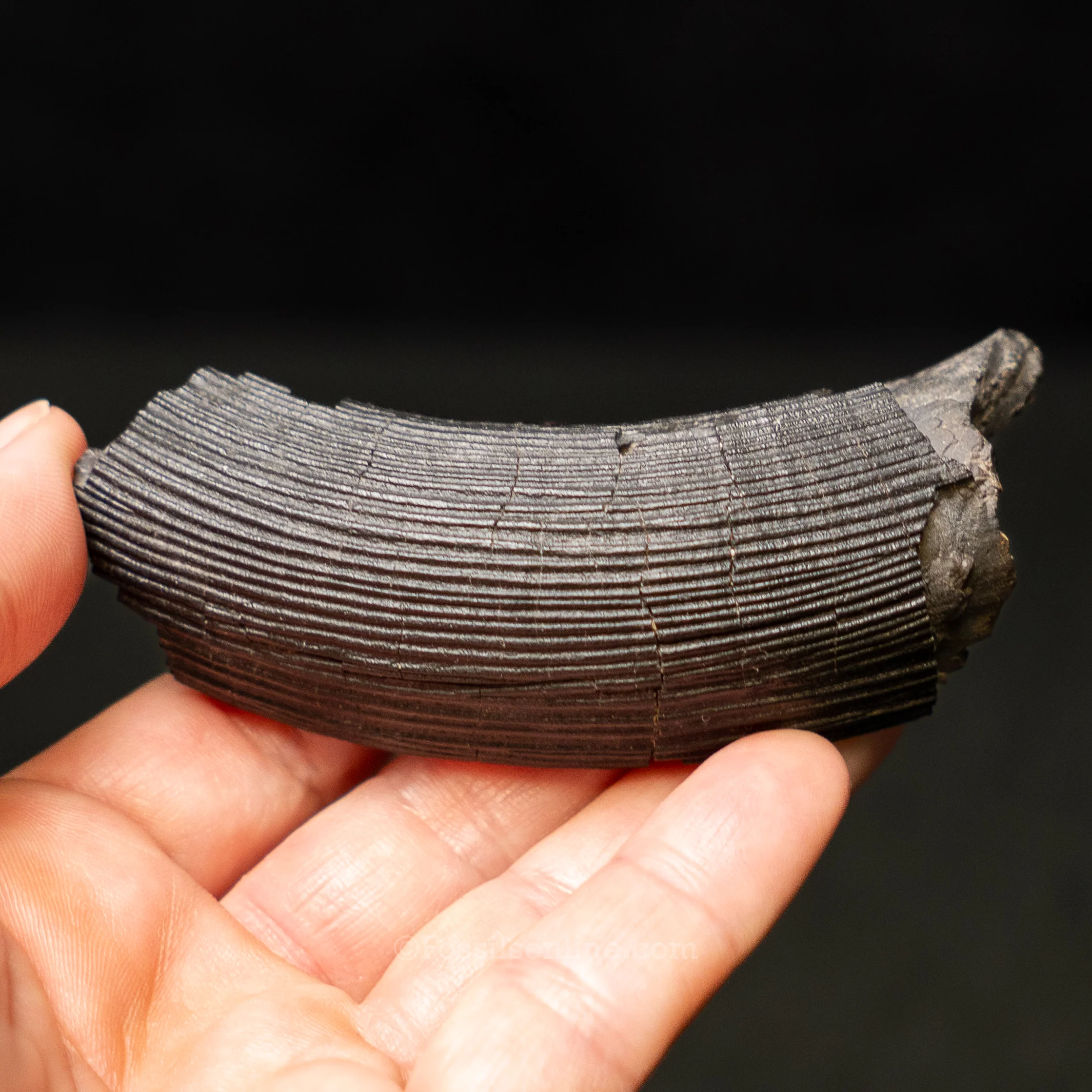
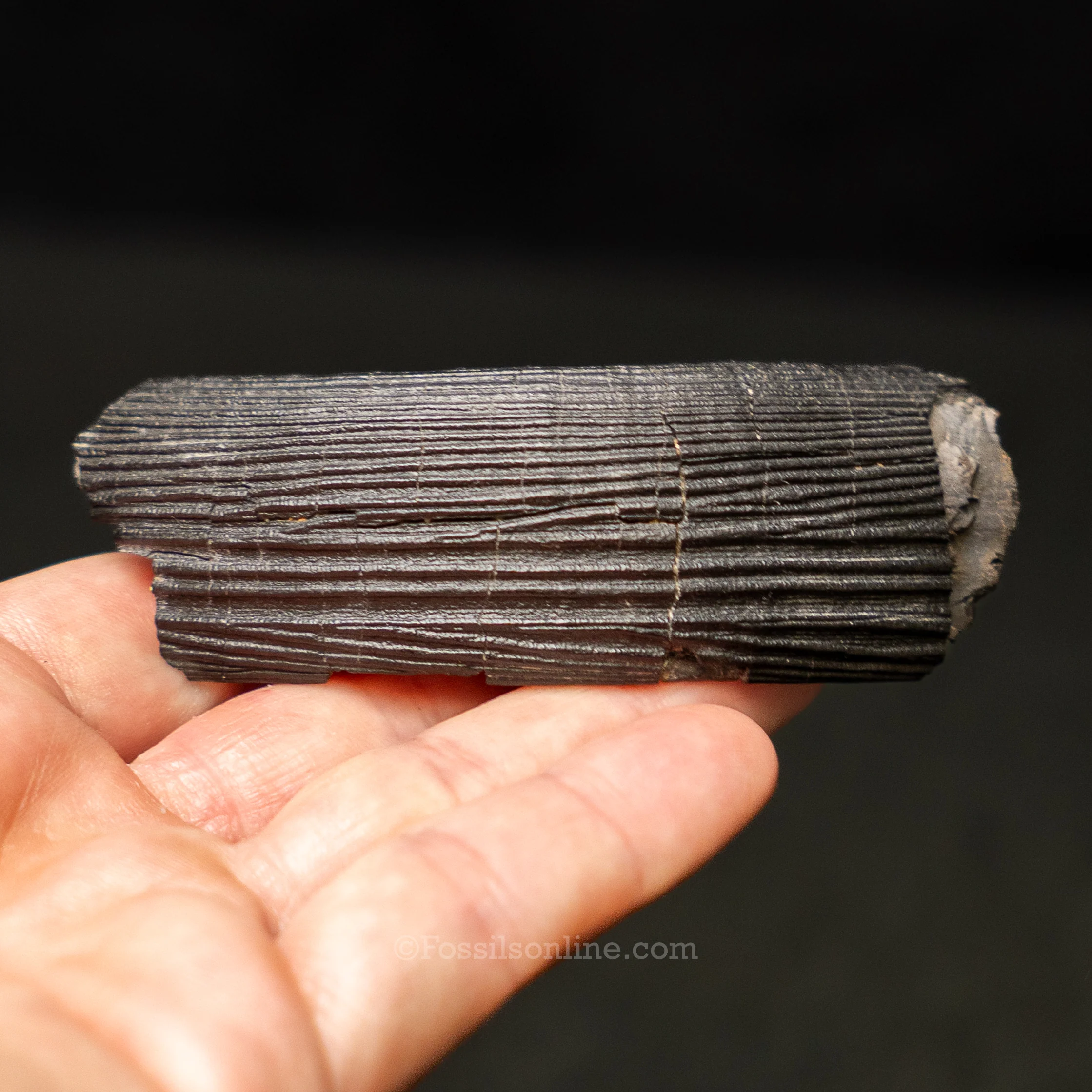
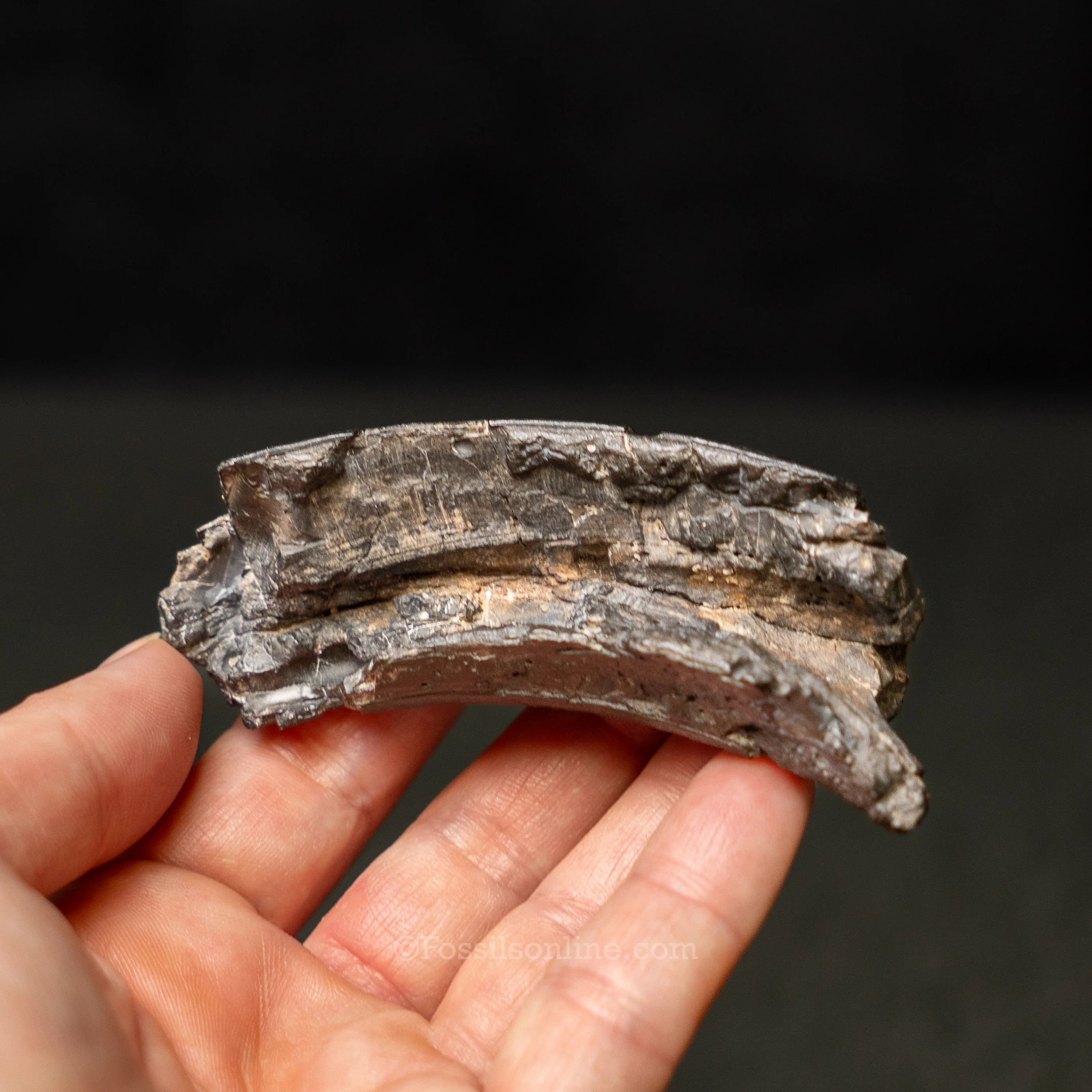
This partial fossilized incisor of Castoroides, the extinct giant beaver, showcases the immense size of these creatures that once thrived during the Pleistocene era. Found in a North Florida river, it’s a striking relic of prehistoric North America. I don't know about you, but I would probably be more frightened at the site of a four foot tall beaver than a saber cat.
The giant beaver from Florida’s Ice Age rivers was Castoroides dilophidus—a beaver built on a totally different scale than the ones we see today. Florida fossils show it lived around wetlands, river channels, and floodplain ponds, exactly the kind of watery habitat you’d expect from a beaver, just supersized.
What it ate: despite the classic “beaver gnaws trees” idea, chemical studies point to a diet heavy in submerged aquatic plants (think pond weeds and other wetland vegetation), meaning it was tightly tied to healthy marshy waterways.
How big / tall: giant beavers could reach about 6–7 feet (1.9–2.2 m) long and were often described as small-bear sized. (Height isn’t as consistently reported as length, but picture something stout and low, roughly waist-high rather than deer-tall.)
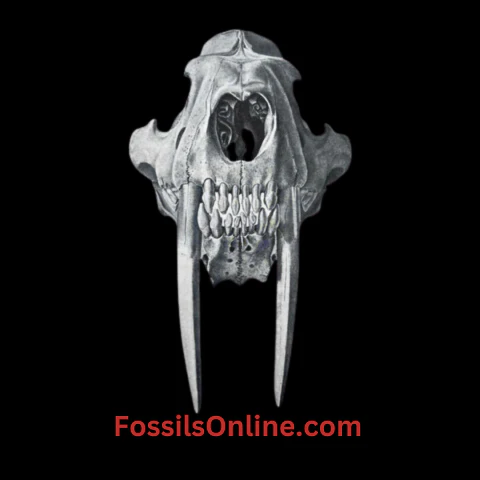
Its Florida contemporaries: in those same Pleistocene landscapes and waterways, it would’ve shared the scene with animals like mammoths and mastodons, giant ground sloths, and big predators such as saber-toothed cats—the classic cast of Florida’s Ice Age fauna
Product Information
Product Information
Shipping & Returns
Shipping & Returns
Description
This partial fossilized incisor of Castoroides, the extinct giant beaver, showcases the immense size of these creatures that once thrived during the Pleistocene era. Found in a North Florida river, it’s a striking relic of prehistoric North America. I don't know about you, but I would probably be more frightened at the site of a four foot tall beaver than a saber cat.
The giant beaver from Florida’s Ice Age rivers was Castoroides dilophidus—a beaver built on a totally different scale than the ones we see today. Florida fossils show it lived around wetlands, river channels, and floodplain ponds, exactly the kind of watery habitat you’d expect from a beaver, just supersized.
What it ate: despite the classic “beaver gnaws trees” idea, chemical studies point to a diet heavy in submerged aquatic plants (think pond weeds and other wetland vegetation), meaning it was tightly tied to healthy marshy waterways.
How big / tall: giant beavers could reach about 6–7 feet (1.9–2.2 m) long and were often described as small-bear sized. (Height isn’t as consistently reported as length, but picture something stout and low, roughly waist-high rather than deer-tall.)
Its Florida contemporaries: in those same Pleistocene landscapes and waterways, it would’ve shared the scene with animals like mammoths and mastodons, giant ground sloths, and big predators such as saber-toothed cats—the classic cast of Florida’s Ice Age fauna